 Skip to content
Proven Peri-Menopausal Care in Paschim Vihar, West Delhi
By Dr Asha Sharma
Senior Gynecologist & Obstetrician
At Ashirwad Health, Dr Asha Sharma provides evidence-based peri-menopausal care focused on stability, symptom management, and long-term women’s health. Located in Paschim Vihar, West Delhi, the clinic offers personalized gynecological care guided by clinical expertise and ethical medical practice.
At Ashirwad Health, Dr Asha Sharma provides evidence-based peri-menopausal care focused on stability, symptom management, and long-term women’s health. Located in Paschim Vihar, West Delhi, the clinic offers personalized gynecological care guided by clinical expertise and ethical medical practice.
Trusted Gynecologist in Paschim Vihar, West Delhi
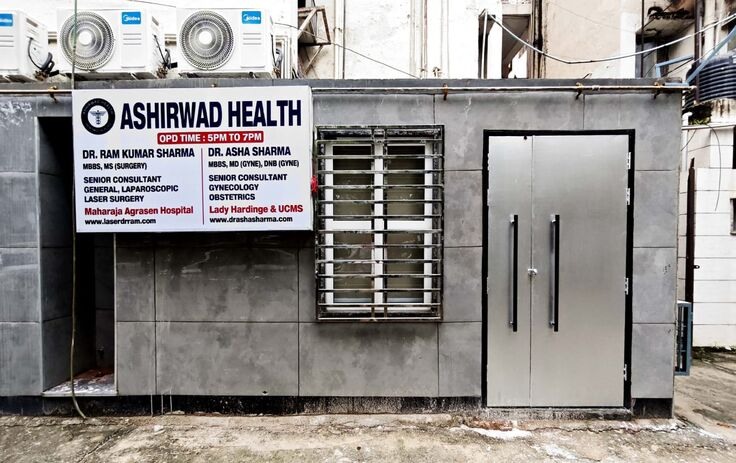

Clinic Name: Ashirwad Health
Doctor: Dr Asha Sharma
Qualifications: MBBS, MD (Obstetrics & Gynecology), DNB (Obstetrics & Gynecology)
Address: GH 10/9A, Sunder Apartments, Paschim Vihar, West Delhi
Specialty: Gynecology, Peri-Menopausal Care, Women’s Health
Dr Asha Sharma is a qualified and experienced gynecologist in West Delhi, known for her patient-centered approach and adherence to evidence-based medical standards.
Understanding Peri-Menopause – Care Guided by Medical Expertise
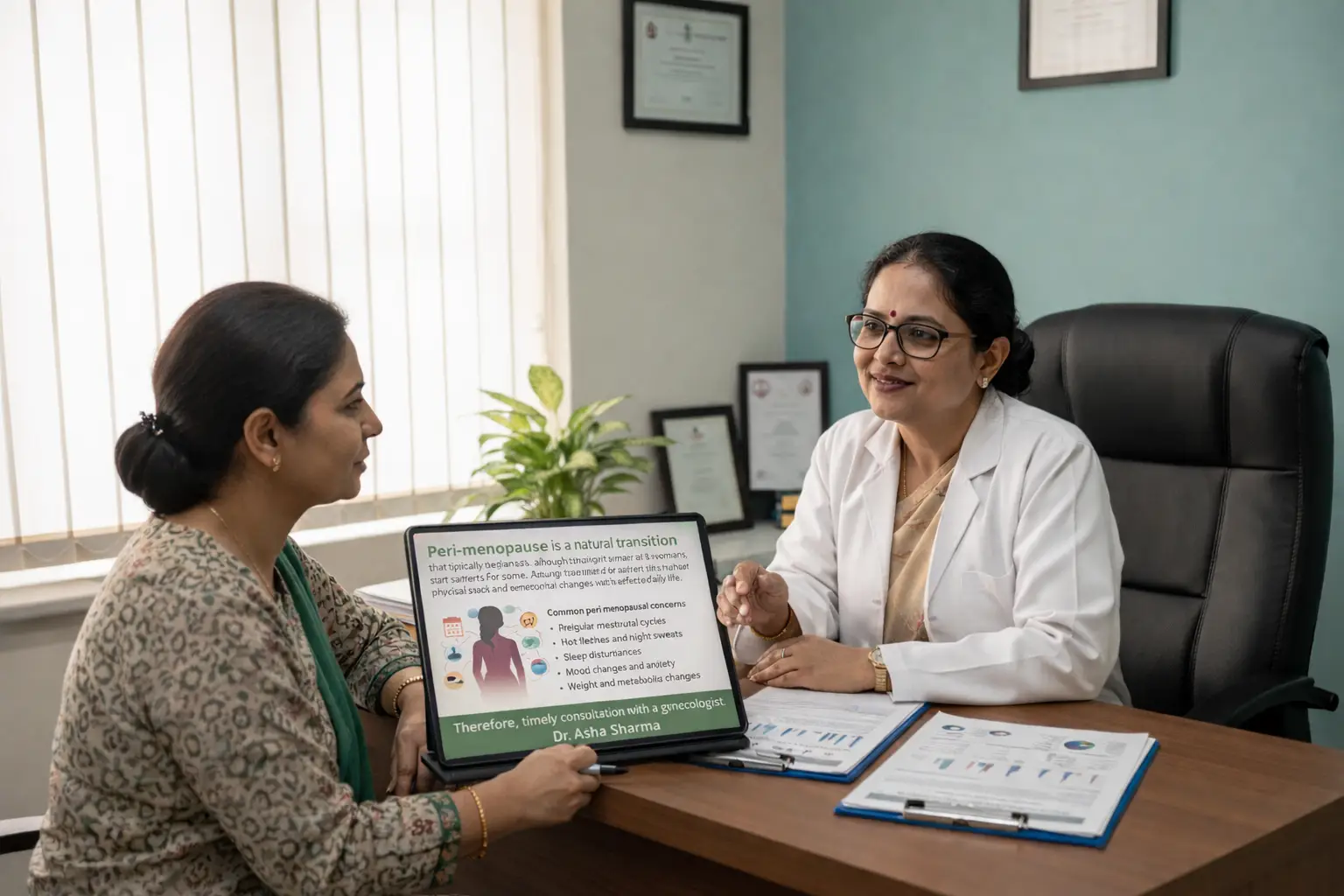
Peri-menopause is a natural transition that typically begins in a woman’s 40s, although it may start earlier for some. During this phase, hormonal fluctuations can lead to physical and emotional changes that affect daily life.
Common peri-menopausal concerns include:
Irregular menstrual cycles
Hot flashes and night sweats
Sleep disturbances
Mood changes and anxiety
Weight and metabolic changes
Therefore, timely consultation with a gynecologist in Paschim Vihar is essential for proper evaluation and guidance.
Evidence-Based Peri-Menopausal Care at Ashirwad Health
At Ashirwad Health, peri-menopausal care focuses on medical assessment, stability, and long-term well-being, rather than temporary symptom suppression.

Comprehensive Gynecological Evaluation
Dr Asha Sharma begins care with a detailed consultation and clinical assessment, which may include:
Review of menstrual and reproductive history
Hormonal and metabolic evaluation (when clinically indicated)
Thyroid and general health screening
Assessment of lifestyle and risk factors
This ensures that all recommendations are medically appropriate and individualized.
Personalized Treatment Planning
Because every woman experiences peri-menopause differently, treatment plans are customized based on:
Symptom severity
Age and medical history
Existing gynecological conditions
Long-term health considerations
Management may include lifestyle guidance, nutritional advice, and medical therapies only when clinically indicated, following established gynecology guidelines.
Emotional and Mental Well-Being During Peri-Menopause
Hormonal changes can also affect emotional balance and sleep quality. Therefore, Dr Asha Sharma emphasizes holistic gynecological care that considers both physical and emotional health.
Support may include:
Sleep hygiene counseling
Stress and lifestyle management
Guidance on emotional well-being within clinical scope
This approach supports overall quality of life while remaining ethically and medically sound.

Focus on Long-Term Women’s Health

Peri-menopause is an important phase for preventive gynecological care. Accordingly, consultations may also address:
Bone health awareness
Cardiovascular risk assessment
Weight and metabolic health
Future menopausal health planning
This long-term focus helps women make informed decisions about their health as they age.
Comfortable & Private Clinic Environment
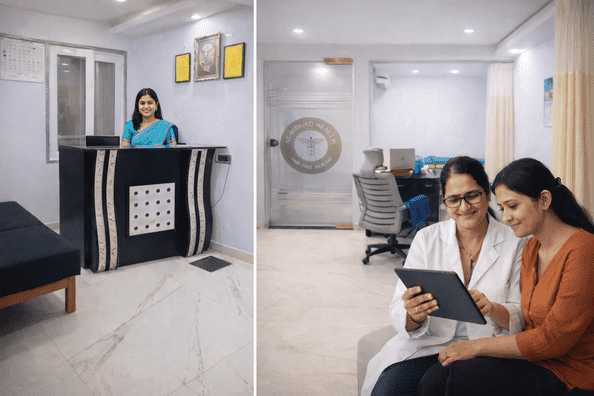
At Ashirwad Health, every aspect of the clinic environment is designed to support comfort, privacy, and trust. The clinic offers a calm, hygienic, and well-organized space where patients can feel at ease during consultations and care. From a welcoming reception area to private consultation and examination rooms, the environment reflects a commitment to ethical medical practice and patient dignity.
Why Choose Dr Asha Sharma – Gynecologist in West Delhi
 MBBS, MD & DNB qualified gynecologist
- Years of experience in obstetrics and gynecology
- Ethical, evidence-based medical practice
- Personalized patient care
- Convenient clinic location in Paschim Vihar
Patients value the clinic’s calm environment, clear communication, and respectful care.
Clinic Location & Appointment Information
Ashirwad Health GH 10/9A, Sunder Apartments, Paschim Vihar, West Delhi
If you are experiencing peri-menopausal symptoms or seeking professional gynecological guidance, you may schedule a consultation with Dr Asha Sharma, Gynecologist in Paschim Vihar.
Medical Disclaimer
The information provided on this website is for educational purposes only and does not replace a direct consultation with a qualified medical professional. Diagnosis and treatment decisions are made after in-person evaluation and clinical assessment by Dr Asha Sharma.
Perimenopausal

Perimenopause is the stage of a woman’s life that occurs before menopause and is often called the menopausal transition. In simple terms, menopause is confirmed when menstrual periods stop for 12 consecutive months. Typically, perimenopause begins several years earlier and continues until menopause is reached.
During this time, the ovaries gradually produce less estrogen, a hormone that regulates the menstrual cycle and reproductive health. As a result, many women experience physical and emotional changes. For example, menstrual cycles may become irregular, heavier, lighter, or occasionally missed. Additionally, hot flashes and night sweats are common and may disrupt daily life. Meanwhile, vaginal dryness and urinary discomfort can occur due to tissue changes.
At the same time, mood swings, anxiety, sleep problems, and reduced libido may develop. However, symptoms vary for every woman. Therefore, medical guidance, lifestyle changes, and regular check-ups can help ensure a smoother transition.
Q & A About perimenopause and Menopause
Menopause: What is it?
Menopause is the stage in a woman’s life when menstrual periods permanently stop, usually occurring in the late 40s or early 50s. It is officially diagnosed after 12 consecutive months without a period. At this point, pregnancy is no longer possible, and many menstrual-related symptoms gradually settle.
Perimenopause, on the other hand, is the transitional phase before menopause. During this time, hormone levels—especially estrogen—begin to fluctuate and decline. As a result, women may experience irregular periods, hot flashes, mood changes, sleep problems, and other unexpected symptoms. Because these changes can affect daily life, many women seek medical advice during perimenopause for guidance and symptom management.
What signs or symptoms accompany menopause?
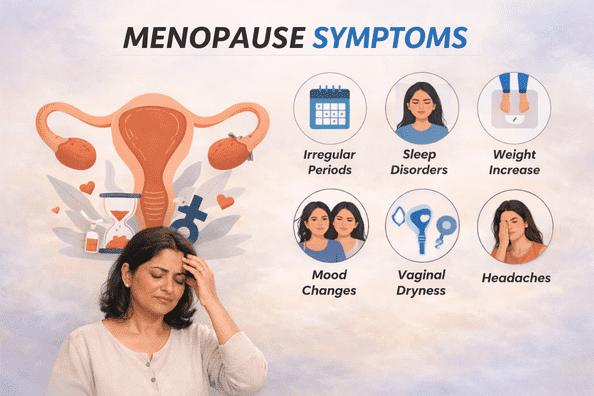
Perimenopause usually lasts around seven years, although in some women it may continue for up to fourteen years. During this time, hormonal changes can cause symptoms that affect sleep, emotions, and daily life. As a result, women may experience weight changes, night sweats, chills, insomnia, mood swings, memory problems, vaginal dryness, and pain during sex. However, help is available, and treatment options can effectively manage these symptoms. Importantly, periods may still occur occasionally, and pregnancy is still possible. Therefore, contraception should be continued until menopause is confirmed. With proper care, this transition can be managed more comfortably.
Is the menopause curable?
Menopause itself is not curable; however, its symptoms can be effectively managed. In many cases, a gynaecologist can help control hormone levels to reduce discomfort during menopause and perimenopause. For instance, hormone therapy may be recommended, either using bioidentical or conventional hormones. While traditional therapy uses synthetic hormones, bioidentical hormones are plant-based and closely match natural hormones. As a result, they often cause fewer side effects. Additionally, hormones are available as patches, creams, pills, or pellets. If needed, non-surgical vaginal laser therapy may also be advised. Therefore, timely medical care can greatly improve quality of life.
